

Understanding OFAC Law: Navigating Compliance and Penalties
In the realm of international finance and trade, compliance with the Office of Foreign Assets Control (OFAC) regulations is paramount. Businesses engaged in cross-border activities must navigate a maze of legal requirements to avoid hefty fines and legal repercussions. For companies seeking clarity, the Ofac Law Firm about OFAC lawyers can provide the guidance needed to comply with these intricate regulations. This article delves into the essentials of OFAC law, its significance, and the services offered by specialized law firms.
What is OFAC?
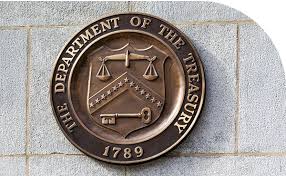
The Office of Foreign Assets Control (OFAC) is a division of the U.S. Department of the Treasury. It is responsible for enforcing economic and trade sanctions based on U.S. foreign policy and national security goals. OFAC’s regulations target specific countries, individuals, and organizations that are involved in activities such as terrorism, drug trafficking, and proliferation of weapons of mass destruction.
The Importance of OFAC Compliance
Compliance with OFAC regulations is crucial for businesses operating in or with countries that are subject to U.S. sanctions. Failure to adhere to these regulations can lead to severe consequences, including:
- Fines and Penalties: Companies can face substantial financial penalties for violations. In some cases, fines can reach millions of dollars.
- Damaged Reputation: Association with sanctioned individuals or entities can harm a company’s reputation and lead to loss of business opportunities.
- Legal Consequences: Businesses may face legal action, including criminal charges against executives and employees.
Who Needs OFAC Compliance Assistance?
While any business engaging in international trade may need to consider OFAC regulations, certain industries are particularly at risk, including:
- Financial Institutions: Banks and financial service providers must ensure they are not facilitating transactions with sanctioned entities.
- Exporters and Importers: Companies involved in importing goods from or exporting to sanctioned countries are directly affected by OFAC regulations.
- Legal and Consulting Firms: Professionals advising businesses on international trade need a strong understanding of OFAC to provide accurate guidance.
Key Components of OFAC Regulations
OFAC regulations encompass various components that businesses should be aware of, including:
Types of Sanctions
OFAC imposes different types of sanctions, which may be comprehensive or targeted. Comprehensive sanctions prohibit all trade and business with a specific country, while targeted sanctions may focus on specific individuals or entities.
Blocking and Unblocking Regulations
Blocking regulations prohibit U.S. persons from engaging in transactions with sanctioned entities. Unblocking regulations allow for the release of frozen assets under specific conditions.
Licensing Requirements
Some transactions may require a license from OFAC. Businesses must understand when a license is necessary and how to apply for one.
How OFAC Law Firms Can Help

Engaging with a law firm specializing in OFAC regulations can provide valuable support for businesses striving for compliance. Here are several benefits:
- Legal Expertise: OFAC lawyers possess the knowledge required to interpret complex regulations and provide tailored advice to specific business models.
- Risk Assessment: Law firms can conduct comprehensive risk assessments to identify potential vulnerabilities in your operations.
- Ongoing Monitoring: Many law firms offer compliance monitoring services to help businesses stay up to date with changing regulations.
- Training and Education: Firms can provide training sessions for employees to ensure proper understanding and adherence to OFAC regulations.
Common OFAC Violations
Understanding common violations can help businesses avoid pitfalls. Some frequent infractions include:
- Engaging in transactions with individuals or entities listed on OFAC’s Specially Designated Nationals and Blocked Persons (SDN) list.
- Failing to block assets of sanctioned entities when they come into possession.
- Conducting business with countries under comprehensive sanctions.
Steps to Ensure Compliance
To mitigate risks associated with OFAC regulations, businesses can take several proactive steps:
- Conduct Due Diligence: Regularly verify that clients and partners are not on the SDN list.
- Implement Compliance Programs: Establish robust compliance programs that outline procedures for screening and monitoring transactions.
- Regular Training: Provide ongoing training for employees to ensure they are aware of OFAC regulations and compliance strategies.
- Consult Experts: Engage with OFAC law firms for audits and compliance checks to ensure your business is adhering to regulations.
The Role of Technology in OFAC Compliance
As businesses increasingly rely on technology for transactions and operations, utilizing compliance software can enhance OFAC adherence. Compliance tools can automate screening processes, flag potential issues, and provide historical data for audits. Firms specializing in OFAC compliance often recommend technology solutions that integrate seamlessly with existing business systems.
Conclusion
OFAC compliance is a critical aspect of operating in a global marketplace. Businesses must understand the intricacies of regulations to avoid penalties and protect their interests. Partnering with an experienced OFAC law firm can provide the necessary expertise and resources to navigate these challenges effectively. By taking proactive measures, conducting due diligence, and staying informed about regulatory changes, companies can minimize risks and ensure compliance in an ever-evolving international landscape.
-
0461.232959
Via Borsieri 1 - 38100 TRENTO
Lun - Ven 9:00 – 12:00 | 15:00 – 20:00
Sabato mattina su richiesta