
The Essentials of Horse Racing Betting: Understanding When Not to Bet
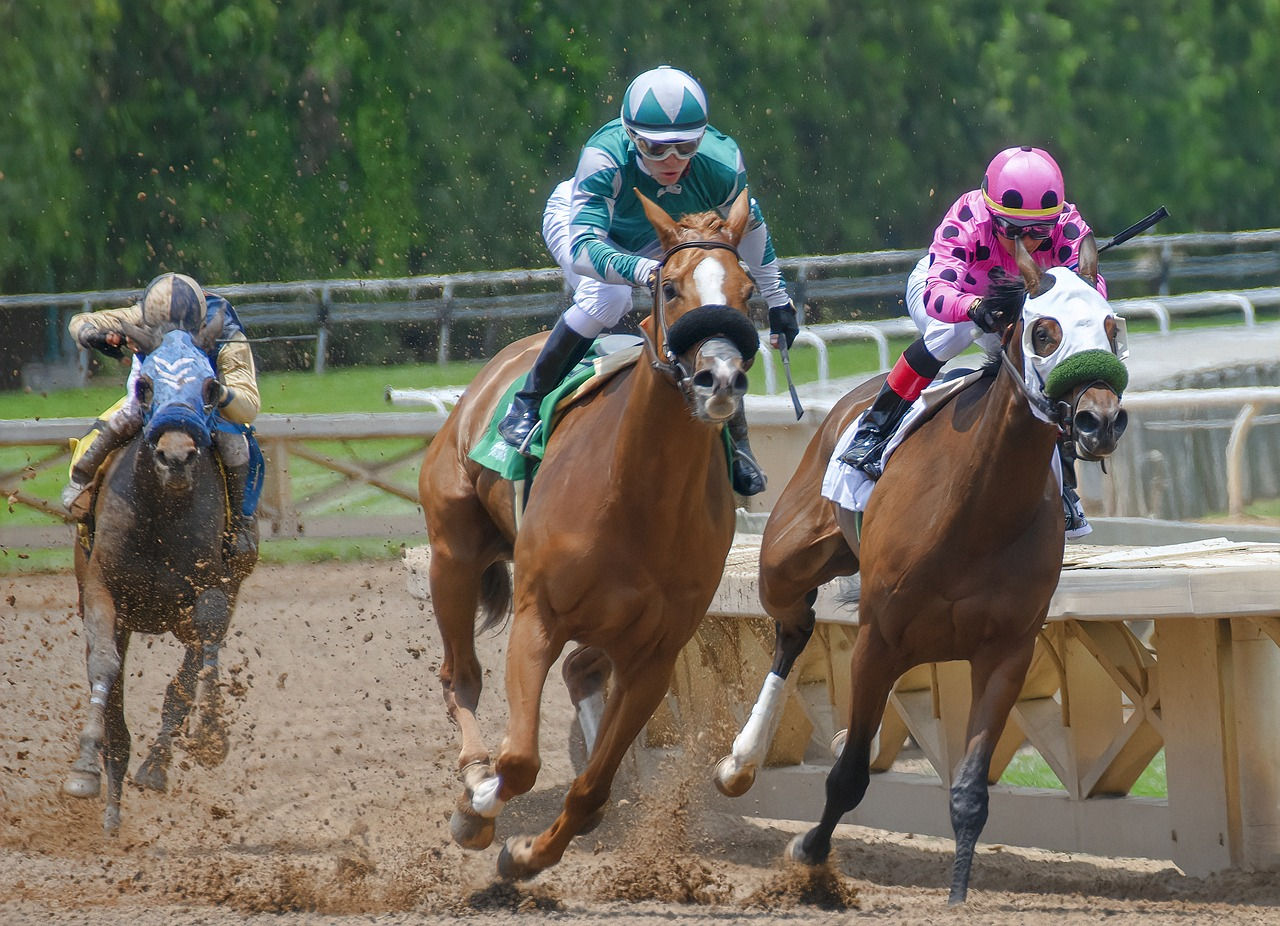
Horse racing has captivated enthusiasts for centuries, both on and off the track. The excitement of betting on a favorite thoroughbred is enough to draw many into the world of equestrian sports. However, betting is a nuanced activity that requires strategy and awareness, especially concerning when to abstain. Understanding when not to place a bet can save you from substantial losses and improve your long-term success. For additional insights, feel free to visit Horse Racing Betting Not on GamStop www.fed-cornishchoirs.org.uk.
Understanding the Fundamentals of Horse Racing Betting
Before diving into the specifics of when not to bet, it’s crucial to comprehend the fundamentals of horse racing betting. Horse racing involves various types of bets, including win, place, show, exacta, trifecta, and superfecta. Each bet offers different odds and payouts, which can be influenced by multiple factors such as horse form, track conditions, and jockey experience.
Factors to Consider Before Placing a Bet
Being an informed bettor means considering numerous factors before you place a wager. Key areas to focus on include:
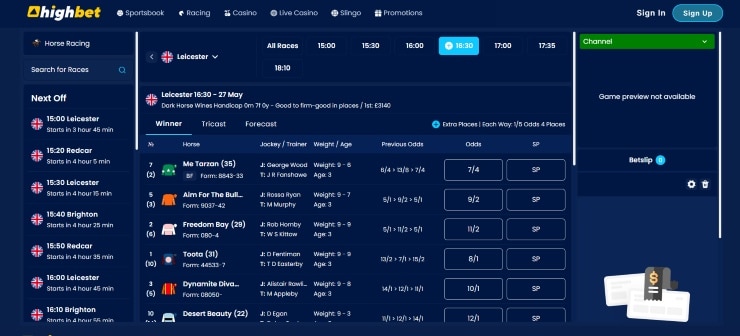
- Horse Form: Evaluate the recent performance of the horses participating in the race.
- Track Conditions: Understand how different surfaces (dirt, turf) affect race outcomes.
- Odds: Reflect on whether the odds truly value the horse’s chance of winning.
- Injury Reports: Keep tabs on any horses that may be running with injuries or other health issues.
- Jockey and Trainer History: Look into the success rates of the horse’s jockey and trainer.
When Not to Bet: Identifying Warning Signs
While the thrill of betting can be exhilarating, several red flags should make you reconsider placing a wager:
1. Lack of Information
If you find yourself placing a bet without sufficient information regarding the horses, jockeys, or how conditions might influence race results, it’s advisable to hold off. A well-informed decision is often a more rewarding one.
2. Emotional Betting
Letting emotions dictate your betting behavior can lead to poor choices. Whether it’s a sentimental attachment to a particular horse or frustration from prior losses, emotional decisions often lead to increased risk.
3. Chase Losses
Many bettors make the mistake of trying to recover losses by placing larger, riskier bets. This “chasing losses” mentality can quickly deplete your bankroll, so it’s essential to step back and reassess your strategy.
4. Unfamiliar Races
Betting on unfamiliar races without adequate research can be detrimental. If a particular race or circuit is outside your expertise, it might be wise to abstain or minimize your stake until you learn more.
5. Overconfidence in Favorites
Many bettors assume that betting on favorites guarantees a win. However, underestimating the competition can lead to surprising losses. It’s better to analyze each horse individually rather than rely on general assumptions.
6. External Influences
Be wary of placing bets based on advice from friends, family, or social media hype without doing your own due diligence. Always verify claims and ensure that any endorsements are based on solid information.
The Importance of Bankroll Management
Bankroll management is a crucial aspect of successful betting. This involves setting aside a specific amount of money for betting purposes and ensuring that you don’t wager more than you can afford to lose. Establishing limits for each bet will also help prevent reckless betting. Consider employing the following strategies:
- Percentage Betting: Bet a small percentage of your total bankroll on any given race.
- Setting Win Limits: If you reach a designated win amount, consider stopping for the day to lock in profits.
- Loss Limits: Similarly, if you hit a limit on losses, do not chase after your initial stake. Step away.
Final Thoughts: The Art of Patience
Horse racing betting is as much a science as it is an art. Learning when to refrain from placing a bet is a critical skill that separates the casual bettor from the professional. As you make your way through the exhilarating world of horse racing, remember that knowledge, emotional control, and a keen eye for detail are your best allies.
Take time to observe racebooks, familiarize yourself with horses and trainers, and understand the nuances of betting strategies. In doing so, you will not only enhance your betting experience but also increase your chances of success. The key takeaway remains: sometimes, not placing a bet is the smartest decision you can make.

-
0461.232959
Via Borsieri 1 - 38100 TRENTO
Lun - Ven 9:00 – 12:00 | 15:00 – 20:00
Sabato mattina su richiesta