
The Allure of Casinos: Understanding Human Behavior
Casinos have long been a hub of excitement and entertainment, drawing millions of people willing to take risks for a chance at winning big. The psychological principles at play are crucial in understanding why so many individuals are attracted to these establishments. The thrill of gambling can evoke feelings of euphoria, making the environment of shiny lights and sounds incredibly persuasive. It’s often the promise of a potential reward that keeps players returning, despite the odds often being stacked against them. Many seek out best non gamstop casinos for a remarkable experience, emphasizing the allure of winning.
The concept of loss aversion plays a significant role in gambling behavior. People tend to fear losses more than they appreciate potential gains, which can influence their strategies in the casino. This psychological phenomenon can lead individuals to chase their losses, believing that they can recover what they have lost. As a result, they may adopt specific strategies that seem rational, yet are often harmful in the long run, causing them to gamble more than intended.
The Role of Cognitive Biases in Gambling Decisions
Cognitive biases significantly impact how gamblers make decisions. One common bias is the gambler’s fallacy, where players believe that past outcomes influence future ones in games of chance. For example, if a roulette wheel lands on red several times in a row, some players might think that black is due for a win. This flawed reasoning can lead to poor betting strategies that are based on misconceptions rather than statistical probabilities.
Additionally, the illusion of control is another cognitive bias that can affect gambling behavior. Many players feel they can influence the outcome of games that are predominantly based on chance, like slot machines or dice games. This belief can lead them to engage in specific rituals or habits, hoping these will improve their odds, even in the face of evidence to the contrary. Understanding these biases can help players make more informed decisions and avoid common pitfalls associated with gambling.
Strategies and Their Psychological Underpinnings
Various gambling strategies have been developed over time, each with its unique psychological appeal. For instance, the Martingale strategy, which involves doubling bets after losses, can seem appealing as it promises a return to equilibrium. However, this strategy is laden with risk, as a losing streak can quickly escalate bets beyond a player’s comfort zone. The psychology behind such strategies often lies in the desire for control and the belief in recouping losses.
On the other hand, some players adopt more conservative approaches, such as setting strict budgets and limits. These strategies are often rooted in self-discipline and an understanding of the risks involved in gambling. By implementing these strategies, gamblers can enjoy the experience more responsibly, acknowledging that the primary purpose is entertainment rather than a surefire method for financial gain.
The Impact of Environment on Gambling Behavior
The casino environment itself plays a significant role in shaping gambling strategies. Many casinos are designed to create an immersive experience that encourages prolonged play. Factors such as lighting, sounds, and even smells are carefully crafted to keep players engaged. This sensory overload can lead to impulsive decision-making, as the atmosphere tends to heighten excitement and decrease self-regulation.
Additionally, social dynamics come into play within the casino context. Many individuals enjoy gambling in groups, which can amplify both the excitement and the risks involved. The presence of peers can lead to increased spending and risk-taking behavior, as players may feel a collective pressure to engage in more aggressive strategies. Understanding these environmental influences is crucial for both casual players and those looking to refine their gambling strategies.
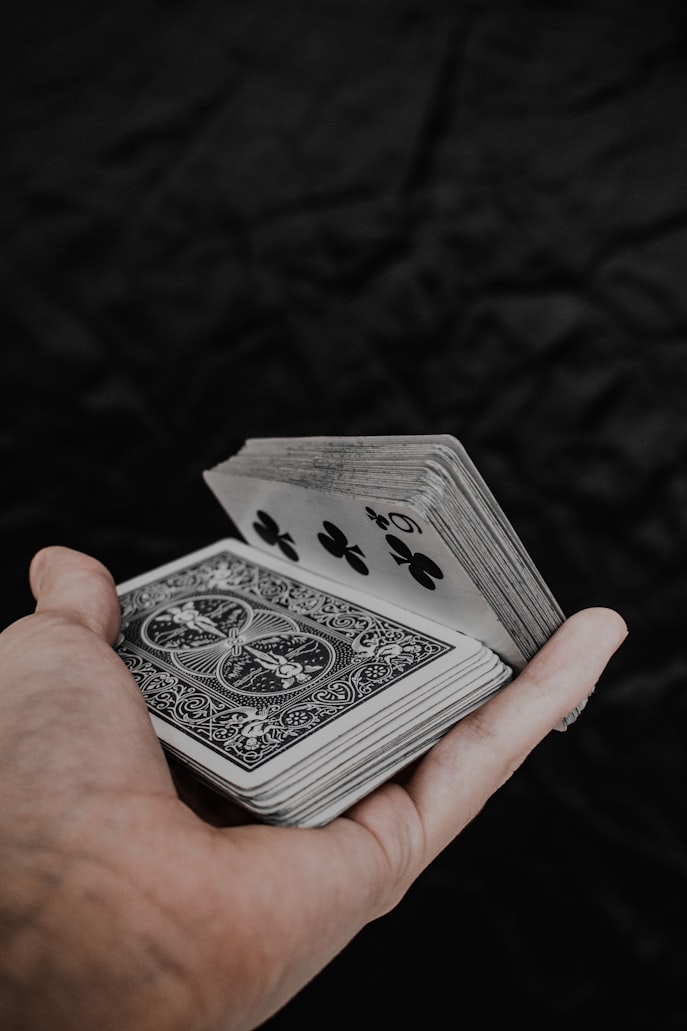
A Resource for Understanding Casino Psychology
This website serves as an invaluable resource for those looking to deepen their understanding of the psychology behind casino gambling strategies. Despite some sections currently being inaccessible, the overall goal is to foster engagement with a wealth of information about gambling behaviors, strategies, and the psychological factors at play. Users are encouraged to explore other sections of the site that provide relevant insights into responsible gambling and psychological strategies.
By navigating through the available content, visitors can enhance their awareness of how psychological principles influence their gambling habits and strategies. The site aims to equip users with knowledge that encourages informed decision-making, ultimately leading to a more enjoyable and responsible gambling experience.
-
0461.232959
Via Borsieri 1 - 38100 TRENTO
Lun - Ven 9:00 – 12:00 | 15:00 – 20:00
Sabato mattina su richiesta